Welcome to our blog! If you’re a homeowner in West Warwick, RI, it’s essential to keep an eye on the condition of your garage door springs. These often overlooked components play a crucial role in the smooth operation of your garage door. In this article, we’ll discuss the signs of wear that indicate when it’s time to replace your garage door springs. By being proactive and addressing these issues promptly, you can ensure the safety and functionality of your garage door for years to come.
What Are Garage Door Springs?
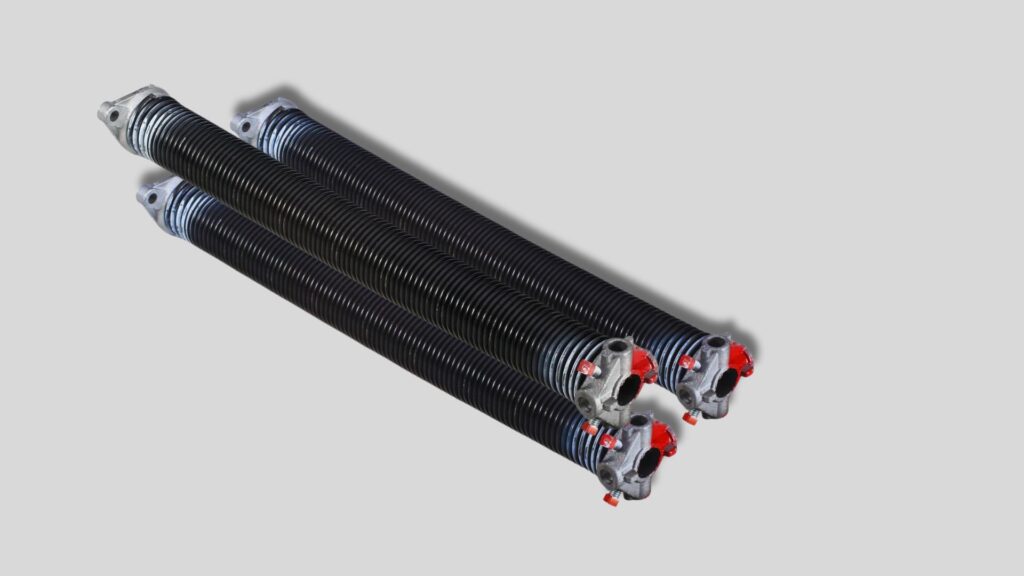
Garage door springs are an essential component of any garage door system. These springs counterbalance the door’s weight and make it easier to open and close. In West Warwick, RI, homeowners rely on garage door springs to operate their garage doors smoothly and efficiently. There are two main types of garage door springs: torsion springs and extension springs. Torsion springs are located above the garage door and use torque to balance the door’s weight, while extension springs are located on either side of the door and stretch when the door is opened or closed. Both types of springs require regular maintenance and replacement to continue functioning correctly and safely. It is essential to have a professional technician handle any repairs or replacements for garage door springs to prevent injury or damage to property.
Types of Garage Door Springs
You can find various garage door springs commonly used in West Warwick, RI. The two primary types of garage door springs are torsion springs and extension springs. Here’s a brief description of each:
- Torsion Springs: Torsion springs are typically mounted above the garage door opening. They work by twisting or coiling tightly to store mechanical energy. When you open the door, the springs unwind, releasing the stored energy to lift the door. Torsion springs are known for their durability and smooth operation. They come in different sizes and strengths, depending on the weight and size of the garage door.
- Extension Springs: Extension springs are usually installed parallel to the horizontal tracks on either side of the garage door. They extend and contract to generate the force necessary for opening and closing the door. Extension springs are less common than torsion springs but are still used in some garage door systems. They require safety cables to prevent damage or injury in case of spring failure.
It’s important to note that garage door springs are under high tension and should only be handled by trained professionals. Suppose you must repair or replace your garage door springs in West Warwick, RI. In that case, contacting a reputable garage door service provider or a professional technician specializing in garage door systems is advisable. They can assess your specific requirements and recommend the appropriate type and size of springs for your garage door.
Signs of Wear and When to Replace a Garage Door Spring
When it comes to garage door springs, it’s essential to regularly inspect them for signs of wear and replace them when necessary. Here are some signs to look out for and indications of when to replace a garage door spring in West Warwick, RI:
- Age: Garage door springs have a typical lifespan of around 10,000 cycles, translating to about 7-10 years with average use. If your springs are older than this, consider replacing them even if they haven’t shown any visible signs of wear.
- Visible Wear and Tear: Inspect the springs visually for any signs of wear or damage. Look for rust, corrosion, or gaps in the coils. If the springs appear stretched out, elongated, or deformed, it’s a clear indication that they need replacement.
- Noisy Operation: If your garage door starts making excessive noise during operation, it could indicate that the springs are worn out. Listen for squeaking, grinding, or popping sounds when the door opens or closes. Unusual noises can tell that the springs are struggling and must be replaced.
- Imbalanced Door: If your garage door becomes unbalanced and doesn’t open or close evenly, it could be due to worn-out springs. An imbalanced door strains the springs and other components, leading to further damage. If you notice this issue, it’s crucial to address it promptly and consider replacing the springs.
- Slow or Struggling Operation: Over time, garage door springs can lose strength, resulting in a door that operates slowly or struggles to open and close. If you notice a significant decrease in the speed and smoothness of your garage door’s operation, it may be time to replace the springs.
- Cables are Loose or Frayed: Examine the wires attached to the springs. If they appear loose, frayed, or damaged, the springs do not adequately support the door’s weight. In such cases, replacing the springs and the cables is recommended.
- Professional Inspection: It’s advisable to have an experienced garage door technician inspect your springs regularly, especially if you need clarification on their condition. They can perform a thorough assessment and determine if the springs need replacement.
Remember, dealing with garage door springs can be dangerous due to the high tension. Hiring a trained professional to handle the replacement or repairs is recommended to ensure safety and proper installation.
DIY or Professional Replacement?
It can be tempting to try a DIY solution when it comes to replacing elements in your home. However, depending on the complexity of the project, it may be safer and more efficient to hire a professional. This is particularly true regarding electrical or plumbing work, which can be dangerous if improperly handled. Many reputable West Warwick RI professionals can offer high-quality replacement services for various household needs. Not only will hiring a professional ensure that the job is done correctly and safely, but it can also save you time and money in the long run by avoiding potential mistakes or damage.
Some more straightforward replacement tasks may be suitable for a DIY approach. For example, replacing a light fixture or cabinet hardware can often be done with essential tools and some know-how. Ultimately, the decision between DIY or professional replacement will depend on your level of expertise and comfort with the task at hand. When in doubt, it’s always better to avoid caution and seek professional help to ensure a successful outcome.
How to Do Garage Door Springs Work?
Garage door springs are a crucial component of any garage door system. They work by counterbalancing the garage door’s weight, making it easier to open and close. The two main types of garage door springs are torsion springs and extension springs.
Torsion springs are typically mounted horizontally above the garage door opening. When the garage door is closed, the torsion spring is under tension. As the door is opened, the spring unwinds and releases its stored energy, which helps lift the door’s weight. On the other hand, extension springs are located on either side of the door track and stretch out as the garage door closes. As the door is opened, they release their stored energy to help lift the door’s weight. Regardless of which type of spring your garage door uses, a professional must inspect them regularly to ensure they are in good working order and to prevent potential safety hazards.
Garage Door Spring Maintenance Tips
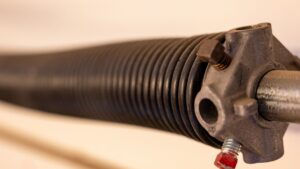
Proper maintenance of your garage door springs is crucial to ensure their longevity and safe operation. Here are some garage door spring maintenance tips for West Warwick, RI:
- Visual Inspection: Regularly inspect your garage door springs for any signs of wear, rust, or damage. Look for gaps, frayed cables, or loose components. If you notice any issues, it’s best to call a professional garage door technician for repairs.
- Lubrication: Apply a silicone-based lubricant to the springs, hinges, rollers, and other moving parts of your garage door. This helps reduce friction and ensures smooth operation. Avoid using oil-based lubricants as they can attract dust and debris.
- Balance Check: Test the balance of your garage door by disconnecting the automatic opener (if applicable) and manually lifting the door halfway. If the door stays in place, it is appropriately balanced. If it falls or rises, it indicates a balance issue that a professional technician should address.
- Tension Adjustment: Garage door springs are under high tension and should only be adjusted by trained professionals. Attempting to change the springs yourself can be extremely dangerous. If you suspect your springs are not properly tensioned, contact a professional garage door technician to perform the adjustment.
- Regular Maintenance: Schedule annual maintenance inspections with a reputable garage door service provider in West Warwick, RI. They will perform a comprehensive check-up of your garage door system, including the springs, to identify and address potential problems promptly.
- Safety Precautions: Always exercise caution when working with garage door springs. They are tightly wound and can cause serious injury if mishandled. If you need clarification on any maintenance task or encounter significant issues with your springs, it’s best to rely on professional assistance.
Conclusion
In conclusion, knowing the signs of wear in your garage door springs is crucial for maintaining a safe and functional garage. Proper Garage Door in West Warwick, RI, offers expert services to help you identify these signs and determine when to replace your springs. Remember, worn-out springs can lead to significant risks and even accidents, so addressing any issues is essential. Don’t hesitate to contact True Garage Door for professional assistance and ensure the optimal performance of your garage door. Your safety and peace of mind are their top priorities!


